
An Important Step for Your Dental Health
Gum diseases, if left untreated, can lead to serious health issues. Gum curettage is an effective method commonly used in the treatment of gum diseases. This procedure, which is part of periodontal treatments, aims to clean the inflammation, infections, and bacteria in the gum tissues. At LHC Clinic, we offer the most suitable treatment methods to ensure you maintain healthy gums. In this article, we will explain in detail what gum curettage is, how it is performed, who it is suitable for, and post-procedure care.
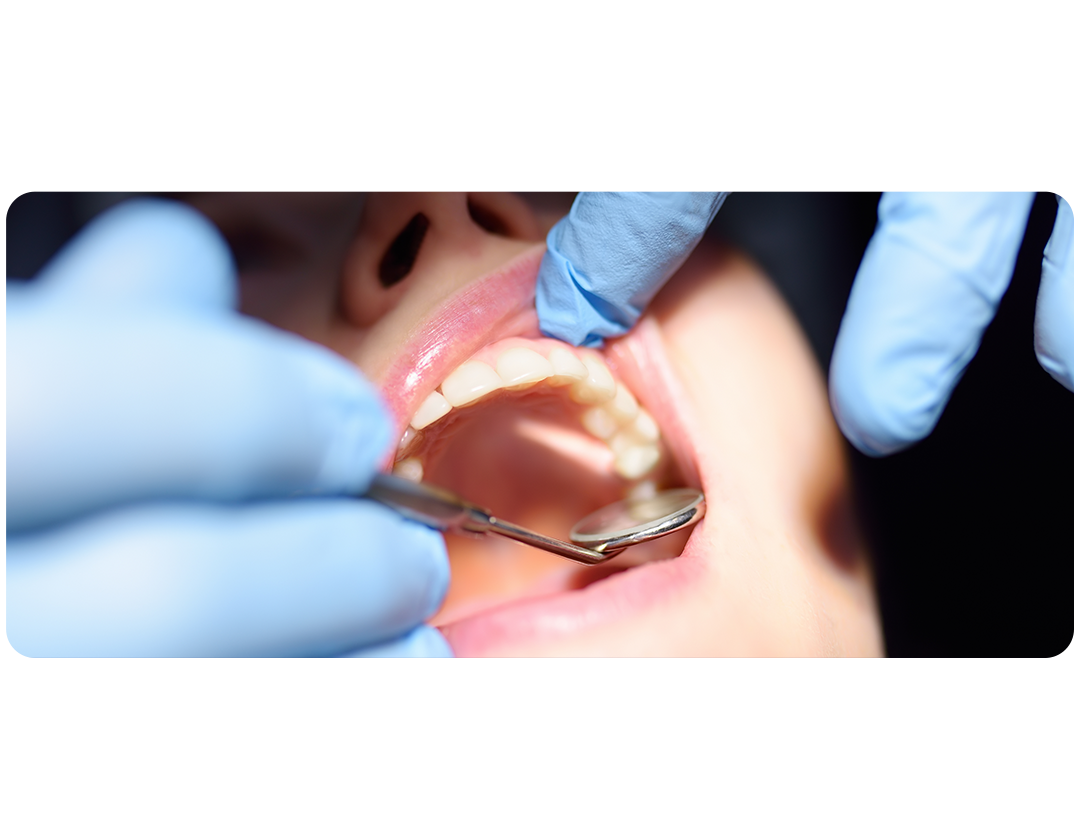
🦷 Gum Curettage: A Non-Surgical Treatment for Gum Diseases
Gum curettage is a non-surgical procedure performed to treat gum diseases. This treatment involves cleaning away plaque, tartar, and infected tissue from beneath the gums. Gum diseases often start with symptoms like redness, bleeding, and swelling in the gums, but if not treated, they can lead to serious consequences, including tooth loss. Gum curettage not only helps treat gum diseases but also protects the surrounding bone tissue.
🦷 The Main Reasons for Performing Gum Curettage
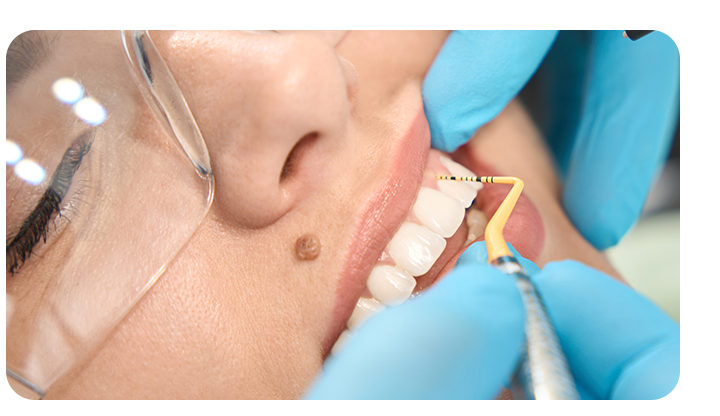
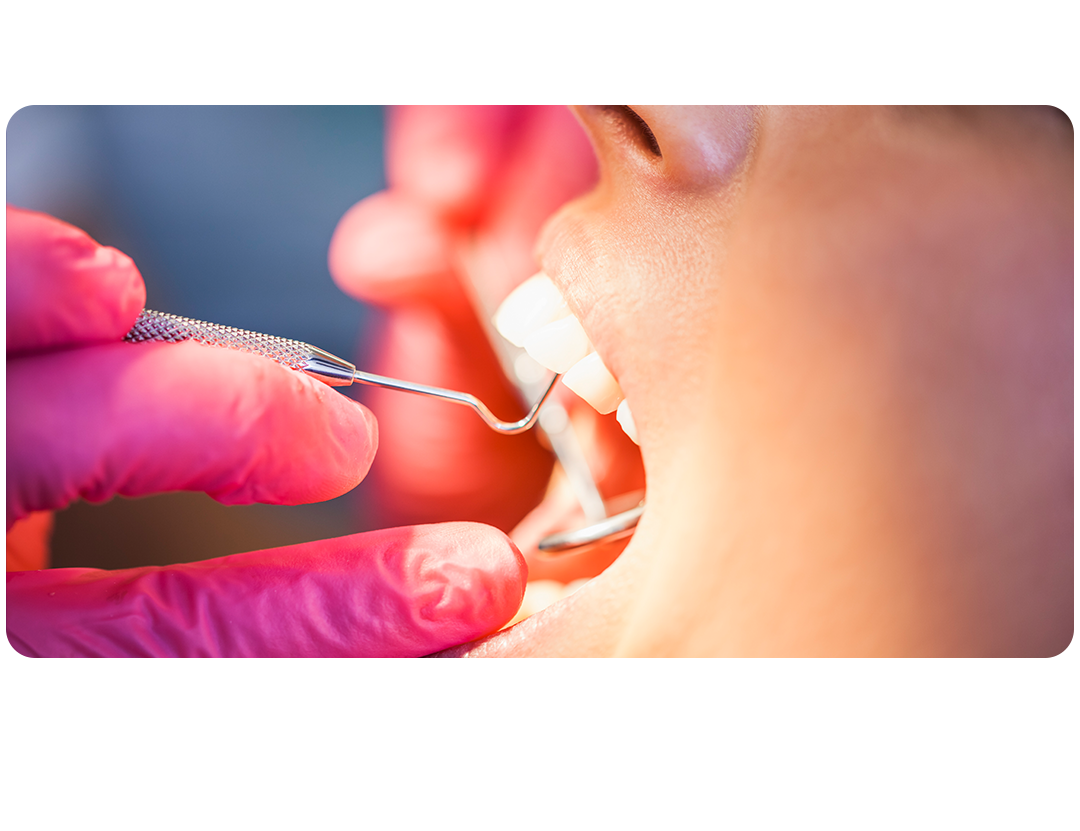
🦷 Gum Curettage Procedure


🩺 Aftercare Tips Following Gum Curettage
🦷 Safe and Professional Gum Curettage at LHC Clinic
Gum curettage is a safe and effective procedure when performed by a skilled dentist. At LHC Clinic, we use modern dental techniques to ensure patient comfort and safety during the procedure. While mild sensitivity may occur afterward, this usually resolves quickly.


🪥 Long-Term Success with Gum Curettage
Gum curettage provides long-term benefits when combined with good oral hygiene. However, if poor oral care and unhealthy habits persist, the gum disease may recur. Regular dental checkups are essential to maintaining the results of the treatment.
🦷 Take the First Step Toward Healthier Gums
Gum curettage is an important step in treating gum diseases. By removing harmful bacteria from the gums, it helps restore a healthy oral structure. Not only does it protect your dental health, but it also prevents serious consequences such as tooth loss.
At LHC Clinic, we provide professional services to help you maintain healthy gums and benefit from the best treatment methods. If you are experiencing gum problems, don’t hesitate to visit us for detailed information and to schedule an appointment. Remember, with regular dental care and checkups, you can achieve and maintain healthy gums!
Causes of Tooth Stains:
• Foods and drinks like coffee, tea, red wine
• Tobacco use
• Aging and enamel thinning
Whitening Methods:
• Professional in-clinic whitening treatments
• Over-the-counter whitening products (less effective for deep stains)
Professional methods offer faster, more noticeable, and longer-lasting results.
Missing teeth can lead to:
• Shifting of adjacent teeth, causing bite problems
• Bone loss in the jaw over time
• Speech difficulties and chewing inefficiency
• Psychological effects, such as lowered self-esteem
Timely replacement with suitable dental prostheses can prevent these complications.
Why Are Color, Shape, and Symmetry Harmony Important in Dental Aesthetics? In smile design, achieving harmony in color, shape, and symmetry is key to creating a natural, balanced appearance. Discrepancies can make even healthy teeth look unattractive. Factors considered: • Matching the veneers or crowns to the natural tooth color and shape • Ensuring proportionate tooth sizes relative to facial features • Aligning teeth for overall symmetry This careful planning ensures the smile enhances the patient’s overall facial aesthetics.
Sedation dentistry helps patients relax during treatments, especially those with dental
anxiety or undergoing long procedures.
Common methods include:
• Nitrous oxide (laughing gas)
• Intravenous (IV) sedation
Sedation levels can range from mild relaxation to deeper sleep-like states, depending on
the method used.
Common mistakes in tooth brushing can harm oral health. These include:
• Brushing too hard, leading to enamel wear and gum irritation
• Using a toothbrush with hard bristles
• Neglecting to brush for at least two minutes
• Overlooking the gumline and tongue
Correct Technique:
Use a soft-bristled toothbrush at a 45-degree angle to the gums. Apply gentle, circular
motions and avoid scrubbing aggressively. Ensure you brush all surfaces of the teeth,
including the back and chewing surfaces.